Best Portable Power Stations Under $500 in 2026
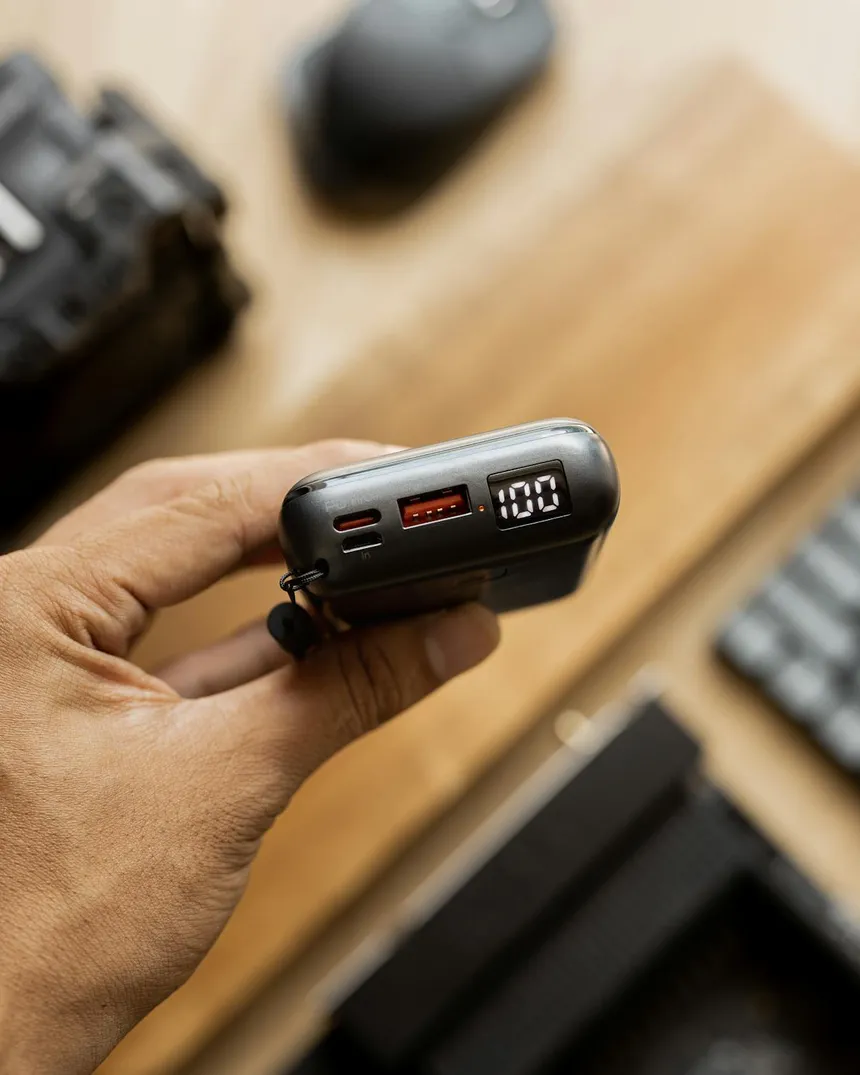
You don’t need to spend a fortune to get a reliable portable power station. The $500 and under category has exploded with capable units that can handle camping trips, emergency backup, and everyday charging needs. After researching hundreds of user reviews from Reddit, Amazon, and niche forums, we’ve identified the best budget power stations that deliver real value.
These aren’t watered-down options — many feature LiFePO4 batteries with 3,000+ charge cycles, fast charging, and enough output to run mini fridges, laptops, and CPAP machines. Here are our top picks.
Quick Comparison: Best Power Stations Under $500
| Power Station | Capacity | Output | Weight | Best For | Price |
|---|---|---|---|---|---|
| Bluetti AC70 | 768Wh | 1,000W | 22.5 lbs | Best Overall Under $500 | ~$450 |
| EcoFlow River 2 Pro | 768Wh | 800W | 17.2 lbs | Fastest Charging | ~$400 |
| Anker SOLIX C800 Plus | 768Wh | 1,200W | 19.8 lbs | Best Features | ~$449 |
| EcoFlow River 2 Max | 512Wh | 500W | 13.7 lbs | Most Portable | ~$399 |
| Jackery Explorer 500 v2 | 518Wh | 500W | 13.3 lbs | Best Budget Option | ~$349 |
| Bluetti EB3A | 268Wh | 600W | 10.1 lbs | Best Under $250 | ~$199 |
1. Bluetti AC70 — Best Overall Under $500
Capacity: 768Wh | Output: 1,000W (2,000W surge) | Weight: 22.5 lbs | Battery: LiFePO4
The Bluetti AC70 delivers the best combination of power, capacity, and value in the sub-$500 category. With 1,000W continuous output, it beats most competitors in this price range and can run appliances that cheaper units simply can’t handle.
Why It Stands Out
The AC70 has one killer advantage over rivals like the EcoFlow River 2 Pro: higher continuous output. That 1,000W means you can comfortably run a mini fridge, power tools, or an electric kettle without worrying about overload.
One Reddit user on r/vandwellers summed it up: “Had a Jackery 500 before, which currently costs around $300-$350. Upgraded to the AC70 and the difference in what I can actually power is night and day.”
The expandable battery option (B80) is a feature you won’t find on the EcoFlow River 2 series. Start with 768Wh and add more capacity later when your needs grow — that’s future-proofing your investment.
Real User Feedback
What users love:
- 500W solar input — charges fast off-grid (outperforms EcoFlow’s 220W)
- Handles power tools and medium appliances without throttling
- LiFePO4 battery rated for 3,000+ cycles
- Expandable with B80 battery pack
Common complaints:
- Heavier than EcoFlow alternatives at 22.5 lbs
- App is functional but less polished than EcoFlow’s
- No wireless charging pad
Key Specs
- Battery: LiFePO4, 768Wh
- AC Output: 1,000W continuous, 2,000W surge
- Charging: AC 800W (0-80% in ~1.5 hours), Solar 500W max
- Ports: 2× AC outlets, 2× USB-C (100W), 2× USB-A, 1× car outlet
- Warranty: 5 years
Bottom line: If you need the most power under $500, the AC70 is the clear winner. The 1,000W output and expandability make it worth the extra weight.
2. EcoFlow River 2 Pro — Fastest Charging
Capacity: 768Wh | Output: 800W (1,600W with X-Boost) | Weight: 17.2 lbs | Battery: LiFePO4
EcoFlow’s River 2 Pro matches the AC70’s capacity but shines in charging speed and portability. If you’re always on the move and need quick top-ups between destinations, this is your pick.
Why It Stands Out
The X-Stream fast charging technology is genuinely impressive — you can go from 0 to 80% in under an hour via wall outlet. For weekend campers who forget to charge the night before, that’s a game-changer.
At 17.2 lbs, it’s over 5 pounds lighter than the AC70. That weight difference matters when you’re loading gear into a car or carrying it around a campsite.
“My R2P worked great off my camper’s 180w solar panel and ran my BougeRV 30qt fridge all weekend,” reports one r/Ecoflow_community user. “That Costco return policy is worth the membership fee.”
Real User Feedback
What users love:
- Ultra-fast wall charging (0-80% in ~1.6 hours)
- Lighter and more compact than competitors
- Best-in-class app with smart controls
- X-Boost mode can run devices up to 1,600W (with reduced voltage)
Common complaints:
- Only 220W max solar input (vs 500W on AC70)
- 800W continuous output limits high-draw devices
- Not expandable — what you see is what you get
Key Specs
- Battery: LiFePO4, 768Wh
- AC Output: 800W continuous, 1,600W surge (X-Boost)
- Charging: AC 660W (0-80% in ~1.6 hours), Solar 220W max
- Ports: 4× AC outlets, 1× USB-C (100W), 3× USB-A, 1× car outlet
- Warranty: 5 years
Bottom line: Best for users who prioritize portability and fast charging over raw power output.
3. Anker SOLIX C800 Plus — Best Feature Set
Capacity: 768Wh | Output: 1,200W (1,600W SurgePad) | Weight: 19.8 lbs | Battery: LiFePO4
The Anker SOLIX C800 Plus brings something no competitor offers: integrated camping lights with three modes (spotlight, floodlight, SOS). It’s a small innovation that makes a big difference when you’re setting up camp after dark.
Why It Stands Out
“After 45 days of testing across eight camping trips, running everything from fridges to power tools, the Anker SOLIX C800 Plus delivers solid mid-range performance with genuinely useful innovations,” reports one reviewer at BackupPowerHub.
The 1,200W continuous output is the highest in this comparison, beating even the AC70. Combined with 10 total ports (4 AC, 2 USB-C, 2 USB-A, car port, DC port), you can power practically everything at camp.
The camping lights aren’t a gimmick. Spotlight mode puts out 1,000 lumens for cooking areas, while the 600-lumen floodlight mode replaces standalone lanterns entirely. It’s one fewer thing to pack and charge.
Real User Feedback
What users love:
- Highest output in the category at 1,200W
- Built-in camping lights (3 modes, rechargeable)
- 58-minute wall charge (0-100%)
- 10 output ports — more than any competitor
- UPS function with 20ms switchover
Common complaints:
- Slightly pricier at $499-549
- No expandable battery option
- 300W max solar (middle of the pack)
Key Specs
- Battery: LiFePO4, 768Wh
- AC Output: 1,200W continuous, 1,600W surge
- Charging: AC (0-100% in 58 min), Solar 300W max
- Ports: 4× AC, 2× USB-C (100W), 2× USB-A, 1× car, 1× DC
- Unique Feature: 3-mode integrated camping lights
- Warranty: 5 years
Bottom line: If you camp frequently and want the most output plus thoughtful extras, the C800 Plus is a smart choice.
4. EcoFlow River 2 Max — Most Portable Mid-Range
Capacity: 512Wh | Output: 500W (1,000W with X-Boost) | Weight: 13.7 lbs | Battery: LiFePO4
The River 2 Max is the smallest unit in EcoFlow’s lineup that still delivers meaningful capacity. At 13.7 lbs with a 512Wh battery, it’s the best balance of portability and power for solo campers and weekend warriors.
Why It Stands Out
“At £550 or $500 the River 2 Max is not cheap, but with its LFP battery, super fast charging and 5 year guarantee it should definitely be on your shortlist if you’re after a 500W power station,” writes The Technology Man after extensive testing.
EcoFlow claims a full charge in 60 minutes, and real-world testing confirms it — one tester hit 80% in just over 40 minutes and full charge in under 63 minutes.
For running a camping fridge all weekend, powering a laptop for remote work, or keeping phones and cameras charged, the 512Wh capacity is plenty. You’re only giving up capacity compared to 768Wh units, but gaining significant portability.
Real User Feedback
What users love:
- Incredibly fast charging (0-100% in ~60 minutes)
- Lightweight at 13.7 lbs — easy one-handed carry
- Great app integration and monitoring
- Two-way USB-C (100W) for charging in and out
Common complaints:
- Lower capacity than 768Wh competitors
- 500W output limits what you can run
- Premium price for the capacity offered
Key Specs
- Battery: LiFePO4, 512Wh
- AC Output: 500W continuous, 1,000W surge (X-Boost)
- Charging: AC 660W (0-100% in ~60 min), Solar 220W max
- Ports: 4× AC, 1× USB-C (100W), 3× USB-A, 1× car, 2× DC5521
- Warranty: 5 years
Bottom line: Best for solo campers, remote workers, and anyone who values portability over maximum capacity.
5. Jackery Explorer 500 v2 — Best Budget Option
Capacity: 518Wh | Output: 500W | Weight: 13.3 lbs | Battery: LiFePO4
Jackery practically invented the portable power station category, and the Explorer 500 v2 carries that legacy forward with reliable performance at a price that’s hard to beat.
Why It Stands Out
“After a year of use, the Jackery Explorer 500 has proven itself reliable, durable, and still a top-tier option for weekend warriors and remote workers alike,” notes one long-term reviewer on OverlandAholic.
At around $349, it’s the best entry point to LiFePO4 battery chemistry without sacrificing quality. Jackery’s build quality is excellent — the rugged design holds up to years of camping abuse.
For CPAP users, the Explorer 500 is a popular choice. “The CPAP machine I have tested with it will run for about 2 nights off the Jackery 500,” reports PoweredPortableSolar.
Real User Feedback
What users love:
- Proven reliability over years of use
- Simple, intuitive operation
- Lightweight and compact at 13.3 lbs
- Strong resale value
Common complaints:
- Slower charging than EcoFlow alternatives
- Basic app compared to competitors
- 500W output limits high-draw devices
Key Specs
- Battery: LiFePO4, 518Wh
- AC Output: 500W continuous
- Charging: AC ~6 hours, Solar compatible
- Ports: 1× AC, 2× USB-A, 1× car outlet
- Warranty: 5 years
Bottom line: The most trusted brand in the budget space. Perfect for first-time buyers who want reliability without complexity.
6. Bluetti EB3A — Best Under $250
Capacity: 268Wh | Output: 600W (1,200W surge) | Weight: 10.1 lbs | Battery: LiFePO4
The EB3A proves that LiFePO4 battery chemistry isn’t just for expensive units. At around $199-249, it’s the most affordable way to get the longevity benefits of LFP technology.
Why It Stands Out
Forbes called it: “Truly portable… offered at a relatively affordable $299. These factors make the Bluetti EB3A well worth considering if your home lacks any protection from power grid outages.”
The 600W output is impressive for a unit this small — more than enough for laptops, phones, tablets, and even a small camping fridge for a few hours. You won’t run power tools, but for basic camping and emergency backup, it punches above its weight.
Real User Feedback
What users love:
- Incredible value for LiFePO4 technology
- Fast charging (0-80% in ~30 minutes)
- 600W output — more than most sub-$300 units
- Compact and truly portable at 10.1 lbs
Common complaints:
- Limited 268Wh capacity
- Some users report software quirks
- Schuko socket isn’t covered
One Reddit user on r/CampingGear warned: “It would be an incredible bargain if it worked but after dealing with Bluetti support for months over an issue they know about was draining.” However, most reviews are positive — this appears to be an isolated firmware issue that updates have largely addressed.
Key Specs
- Battery: LiFePO4, 268Wh
- AC Output: 600W continuous, 1,200W surge
- Charging: AC (0-80% in ~30 min), Solar 200W max
- Ports: 2× AC, 1× USB-C (100W), 2× USB-A, 1× car outlet
- Warranty: 4 years (shorter than competitors)
Bottom line: Best entry-level power station for first-time buyers on a tight budget.
Buyer’s Guide: How to Choose Under $500
What Size Do You Actually Need?
250-300Wh (Bluetti EB3A tier):
- Charge phones 20+ times
- Run a laptop 3-4 full charges
- Power a small camping fridge for 4-6 hours
500-520Wh (Jackery 500, River 2 Max tier):
- Charge phones 40+ times
- Run a laptop 8-10 full charges
- Power a CPAP machine 2 nights
- Run a mini fridge 20-24 hours
768Wh (AC70, River 2 Pro, C800 tier):
- Charge phones 60+ times
- Run a laptop 10-12 full charges
- Power a CPAP machine 3+ nights
- Run a mini fridge 24-30 hours
Output Power: Why It Matters
| Output | What You Can Run |
|---|---|
| 500W | Laptops, phones, tablets, LED lights, small fans, CPAP |
| 800W | + Mini fridges, TVs, gaming consoles |
| 1,000W | + Power tools, blenders, small space heaters |
| 1,200W | + Coffee makers, microwaves (low power), toasters |
If you only need to charge devices and run small electronics, 500W is plenty. Planning to run appliances? Look for 800W minimum.
LiFePO4 vs Lithium-Ion
Every unit on this list uses LiFePO4 (lithium iron phosphate) batteries. Here’s why that matters:
| Feature | LiFePO4 | Standard Li-ion |
|---|---|---|
| Charge Cycles | 3,000+ | 500-800 |
| Lifespan | 10+ years | 3-5 years |
| Safety | More stable, no thermal runaway | Higher energy density, some risk |
| Temperature Tolerance | Better in cold | Degrades faster in extremes |
At the $500 price point, LiFePO4 is now standard. Don’t buy a power station with traditional lithium-ion unless it’s significantly discounted.
Solar Charging: What to Look For
If you plan to charge via solar panels, pay attention to these specs:
| Power Station | Max Solar Input | Full Charge (200W panel) |
|---|---|---|
| Bluetti AC70 | 500W | ~3 hours |
| Anker C800 Plus | 300W | ~4 hours |
| EcoFlow River 2 Pro | 220W | ~5 hours |
| EcoFlow River 2 Max | 220W | ~4 hours |
| Jackery 500 v2 | 100W | ~8 hours |
The AC70’s 500W solar input makes it the best choice for off-grid use where you need maximum solar charging speed.
FAQ
What’s the best portable power station under $500 overall?
The Bluetti AC70 offers the best combination of capacity (768Wh), output power (1,000W), and features including expandable battery support and 500W solar input. It’s the most versatile choice in this price range.
Which power station charges fastest?
The Anker SOLIX C800 Plus claims 0-100% in just 58 minutes via wall outlet. The EcoFlow River 2 Max is also excellent at 60 minutes for a full charge. For speed alone, these two lead the pack.
Can I run a refrigerator on a power station under $500?
Yes, but capacity matters. A typical mini fridge draws 50-80W. On a 768Wh unit like the AC70 or River 2 Pro, expect 20-24 hours of runtime. For a full-size fridge (100-150W), you’ll get 10-15 hours — enough for a day-long power outage.
Which is better: Bluetti AC70 or EcoFlow River 2 Pro?
Both have 768Wh capacity and LiFePO4 batteries. The AC70 wins on output power (1,000W vs 800W) and solar input (500W vs 220W). The River 2 Pro wins on portability (17.2 lbs vs 22.5 lbs) and app experience. Choose based on whether power or weight matters more to you.
Is Jackery still worth buying in 2026?
Yes, especially the Explorer 500 v2. Jackery’s reputation for reliability and durability is well-earned. However, competitors now offer more output power and faster charging at similar prices. Buy Jackery for proven reliability; buy Bluetti or EcoFlow for better specs.
Final Verdict
Best Overall: Bluetti AC70 — Most power and best solar charging under $500
Best for Fast Charging: EcoFlow River 2 Pro — 0-80% in under 2 hours
Best Features: Anker SOLIX C800 Plus — 1,200W output plus integrated camping lights
Best Budget: Jackery Explorer 500 v2 — Proven reliability at ~$349
Best Ultra-Budget: Bluetti EB3A — LiFePO4 technology under $250
For most buyers, the Bluetti AC70 hits the sweet spot of price, power, and features. But if portability is your priority, the EcoFlow River 2 Pro is worth the slight compromise in output power.
Looking for more capacity? Check out our guide to the best portable power stations overall or our deep dive on EcoFlow vs Jackery to compare the top brands.