Best Portable Power Station for Camping in 2026: Tested & Ranked
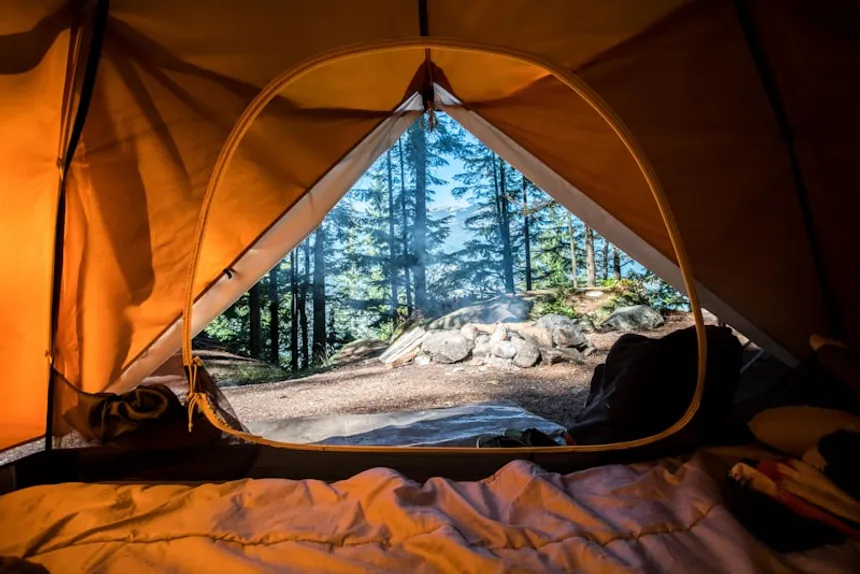
Gone are the days when camping meant completely disconnecting from electricity. Whether you need to keep your phone charged for trail maps and emergency calls, run a portable fridge to keep food fresh, power a CPAP machine so you can actually sleep, or charge camera batteries for that sunrise shot — a portable power station has become essential camping gear.
But camping puts unique demands on a power station: it needs to be light enough to carry, tough enough to handle the outdoors, efficient enough to last multiple days, and ideally compatible with solar panels for infinite off-grid recharging.
We’ve tested and compared dozens of power stations specifically for camping scenarios. Here are the best options for every type of camper. (For our overall rankings across all use cases, see our best portable power stations of 2026 guide.)
Best Camping Power Stations at a Glance
| Power Station | Best For | Capacity | Weight | Solar Input | Price | Rating |
|---|---|---|---|---|---|---|
| Jackery Explorer 1000 v2 | Best Overall for Camping | 1,070Wh | 24.2 lbs | 400W | $$$ | ⭐⭐⭐⭐⭐ |
| EcoFlow River 3 | Best Ultralight | 245Wh | 7.8 lbs | 110W | $$ | ⭐⭐⭐⭐½ |
| Bluetti AC70 | Best Value | 768Wh | 22 lbs | 500W | $$ | ⭐⭐⭐⭐ |
| Jackery Explorer 2000 Plus | Best for Extended Trips | 2,042Wh | 61 lbs | 1,200W | $$$$$ | ⭐⭐⭐⭐½ |
| EcoFlow Delta 3 | Best for Car Camping | 1,024Wh | 30 lbs | 500W | $$$$ | ⭐⭐⭐⭐⭐ |
| Jackery Explorer 300 Plus | Best Budget | 288Wh | 8.3 lbs | 100W | $ | ⭐⭐⭐⭐ |
What Makes a Great Camping Power Station?
Before we dive into individual picks, here’s what matters most when you’re taking a power station into the backcountry or to a campsite:
Weight-to-Capacity Ratio
Every pound matters when you’re loading a vehicle or carrying gear to a site. The best camping power stations deliver the most watt-hours per pound.
Solar Compatibility
Grid power doesn’t exist in the woods. A power station that pairs well with solar panels gives you truly unlimited camping time — charge during the day, use power at night, repeat forever.
Durability
Dust, rain, temperature swings, bumpy roads — camping is hard on gear. Build quality, splash resistance, and sturdy handles matter.
Noise Level
Gas generators are loud. Power stations are silent. But some power stations have cooling fans that kick in under load — quieter fans mean better camping vibes.
The Right Capacity
More isn’t always better. An 80-lb behemoth might have great specs, but if you can’t move it from your car to your campsite, those specs are useless.
1. Jackery Explorer 1000 v2 — Best Overall Camping Power Station
Capacity: 1,070Wh | Output: 1,500W | Weight: 24.2 lbs | Battery: LiFePO4
Why It’s #1 for Camping
The Explorer 1000 v2 nails the camping sweet spot: enough capacity to power everything you need for a weekend trip, light enough for one person to carry with one hand, and compatible with Jackery’s excellent SolarSaga solar panels for indefinite off-grid recharging.
At 24.2 lbs, it’s noticeably lighter than competing 1,000Wh units. The carry handle is genuinely comfortable — this matters when you’re walking it from your car to a campsite. The orange-and-black color scheme is highly visible (you won’t lose it in the dark), and the build quality can handle getting tossed around in a truck bed.
Real-World Camping Performance
Here’s what a full charge of the Explorer 1000 v2 can power during a typical camping weekend:
| Device | Draw | Run Time |
|---|---|---|
| Portable fridge (40W average) | 40W | ~23 hours |
| LED camp lantern (10W) | 10W | ~90 hours |
| Smartphone charge (15W) | 15W | ~60 charges |
| Laptop (60W) | 60W | ~15 hours |
| Portable fan (30W) | 30W | ~30 hours |
| CPAP machine (30W avg) | 30W | ~30 hours |
| Drone battery charge (65W) | 65W | ~14 charges |
| Electric kettle (1,000W) | 1,000W | ~55 min |
Running a portable fridge, charging phones, and powering a camp light simultaneously? The Explorer 1000 v2 handles a 2–3 day camping trip on a single charge without breaking a sweat.
Solar Pairing
Pair it with two Jackery SolarSaga 100W panels ($300) for an excellent solar generator system:
- Sunny day recharge: ~5–6 hours from 0–100%
- Partly cloudy: ~8–10 hours
- Practical reality: Plug in panels in the morning, have a full battery by evening
This is genuine energy independence — camp as long as you want.
Key Specs
- Battery Chemistry: LiFePO4 (4,000 cycle lifespan)
- AC Output: 1,500W continuous, 2,250W surge
- Ports: 3× AC, 2× USB-C (100W), 2× USB-A, 1× car port
- Solar Input: Up to 400W
- Charging Speed: 0–100% in ~1.7 hours (AC wall)
- Operating Temperature: 14–113°F (-10 to 45°C)
- Warranty: 5 years
What Could Be Better
The 1,500W output won’t run a space heater or high-wattage appliances. For winter camping with electric heating, you’d need to step up to the 2000 Plus. The price is mid-range — cheaper options exist if you don’t need 1,000Wh.
[Check Price on Amazon] | [Check Price on Jackery]
2. EcoFlow River 3 — Best Ultralight Camping Power Station
Capacity: 245Wh | Output: 600W (1,200W X-Boost) | Weight: 7.8 lbs | Battery: LiFePO4
Why We Love It for Camping
Under 8 pounds. That’s lighter than a gallon of water. The EcoFlow River 3 is the power station you’ll actually carry to your campsite, clip onto a kayak, or toss in a day pack without thinking twice.
For minimalist camping — weekenders, backpackers with car support, kayak/canoe campers, or festival-goers — the River 3 provides exactly the power you need without the bulk you don’t.
What It Powers (Realistically)
| Device | Draw | Run Time |
|---|---|---|
| Smartphone charge | 15W | ~14 full charges |
| LED camp lantern | 10W | ~21 hours |
| Camera battery charge | 15W | ~14 charges |
| Laptop (60W) | 60W | ~3.5 hours |
| Portable fan | 15W | ~14 hours |
| CPAP machine | 30W | ~7 hours |
| Drone battery | 65W | ~3 charges |
It won’t run a portable fridge for days, but it’ll keep your essential electronics charged for a long weekend. For solo campers and couples, that’s usually enough.
Key Advantage: Charge Speed
The River 3 charges from 0–100% in about 60 minutes from a wall outlet. Forgot to charge it before leaving? Plug it in while you pack the car and you’ll have a full battery before you leave.
Solar Pairing
A single 110W portable solar panel ($150–$200) will fully charge the River 3 in about 3–4 hours of direct sunlight. This is one of the most efficient lightweight solar setups available. For more solar-focused options, see our best solar generators for off-grid guide.
[Check Price on Amazon] | [Check Price on EcoFlow]
3. Bluetti AC70 — Best Value Camping Power Station
Capacity: 768Wh | Output: 1,000W (2,000W Power Lifting) | Weight: 22 lbs | Battery: LiFePO4
Why It’s the Best Value
The Bluetti AC70 delivers about 75% of the capacity of our top pick at roughly 60% of the price. For budget-conscious campers who want LiFePO4 reliability without breaking the bank, this is the sweet spot.
At 22 lbs and 768Wh, it’s light enough to carry and big enough to matter. The 1,000W continuous output runs a portable fridge, charges everything, and even handles an electric kettle or coffee maker for that crucial morning brew.
Camping-Specific Highlights
- Turbo charging: 0–80% in about 45 minutes (great for last-minute packing)
- Compact footprint: Takes up less space in a packed vehicle than competitors
- Power Lifting mode: Can handle devices up to 2,000W by managing voltage — useful for occasionally running higher-draw appliances
- 6-year warranty: Longest warranty on this list
What You Give Up
Compared to the Jackery Explorer 1000 v2, you get ~300Wh less capacity and one fewer AC outlet. The max solar input (500W) is higher than the Jackery, though, so solar recharging is actually faster.
[Check Price on Amazon] | [Check Price on Bluetti]
4. Jackery Explorer 2000 Plus — Best for Extended Camping Trips
Capacity: 2,042Wh (expandable to 12,264Wh) | Output: 3,000W | Weight: 61 lbs | Battery: LiFePO4
Why It’s Best for Extended Trips
When you’re camping for a week or more, running a full-size portable fridge, powering an electric cooktop, and charging multiple devices daily, you need serious capacity. The Explorer 2000 Plus delivers 2,042Wh — enough for 3–5 days without solar, or indefinitely with the right panel setup.
The modular expansion is the killer feature for serious campers. Start with the base unit this year, add a battery pack next year, and eventually build up to 12,000Wh+ of capacity. It’s a system that grows with your camping ambitions.
Extended Camping Run Times
| Scenario | Daily Draw | Days on Full Charge |
|---|---|---|
| Basic (phones, lights, fan) | ~200Wh/day | ~9 days |
| Standard (add portable fridge) | ~500Wh/day | ~3.5 days |
| Heavy (add laptop, TV, cooking) | ~1,000Wh/day | ~1.7 days |
| With 400W solar (standard use) | 500Wh/day + 1,600Wh solar | Indefinite ☀️ |
The Weight Trade-Off
At 61 lbs, the Explorer 2000 Plus requires a vehicle — this is a car camping, RV, or overland vehicle power station, not a walk-in campsite solution. The two sturdy handles make it a manageable two-person carry, and it fits well in most truck beds and SUV cargo areas.
[Check Price on Amazon] | [Check Price on Jackery]
5. EcoFlow Delta 3 — Best for Car Camping & Glamping
Capacity: 1,024Wh | Output: 1,800W (3,600W surge) | Weight: 30 lbs | Battery: LiFePO4
Why Car Campers Love It
Car camping is different from backcountry camping. You’ve got your vehicle right there, so weight matters less than features and power output. The Delta 3’s 1,800W output lets you run appliances that lighter units can’t handle:
- Electric skillet or griddle — Cook pancakes at the campsite
- Portable espresso machine — Real coffee in the morning
- Hair dryer — Glamping essentials
- Small space heater — Cold-weather car camping comfort
- Projector + speaker — Outdoor movie night
The 30-lb weight is manageable for car-to-campsite transport, and the fast charging means you can top it off during a supply run to town.
The X-Boost Advantage
EcoFlow’s X-Boost technology lets the Delta 3 run devices rated up to ~2,700W by intelligently managing power delivery. This means many 2,000W appliances that would trip a standard 1,800W inverter will run fine. It’s like having a bigger power station in a smaller package.
[Check Price on Amazon] | [Check Price on EcoFlow]
6. Jackery Explorer 300 Plus — Best Budget Camping Power Station
Capacity: 288Wh | Output: 300W | Weight: 8.3 lbs | Battery: LiFePO4
The Budget Pick
Not everyone needs (or can afford) a $800+ power station. The Explorer 300 Plus covers the basics — phone charging, camp light power, camera batteries, a small portable fan — at a price point under $300.
At 8.3 lbs, it’s almost as portable as the EcoFlow River 3. It won’t run a fridge or an electric kettle, but for keeping essential electronics charged during a camping weekend, it gets the job done affordably.
What You Can Expect
| Device | Run Time |
|---|---|
| Smartphone charges | ~16 full charges |
| LED camp lantern | ~24 hours |
| Camera battery charges | ~16 charges |
| Drone battery charges | ~3–4 charges |
| Small portable fan | ~16 hours |
Solar Pairing
A single Jackery SolarSaga 40W or 80W panel keeps the Explorer 300 Plus charged in camp. Full solar recharge in 4–5 hours with the 80W panel.
[Check Price on Amazon] | [Check Price on Jackery]
Camping Power Station Comparison Table
| Feature | Jackery 1000 v2 | EcoFlow River 3 | Bluetti AC70 | Jackery 2000 Plus | EcoFlow Delta 3 | Jackery 300 Plus |
|---|---|---|---|---|---|---|
| Capacity | 1,070Wh | 245Wh | 768Wh | 2,042Wh | 1,024Wh | 288Wh |
| Output | 1,500W | 600W | 1,000W | 3,000W | 1,800W | 300W |
| Weight | 24.2 lbs | 7.8 lbs | 22 lbs | 61 lbs | 30 lbs | 8.3 lbs |
| Battery | LiFePO4 | LiFePO4 | LiFePO4 | LiFePO4 | LiFePO4 | LiFePO4 |
| Cycle Life | 4,000 | 3,000+ | 3,000+ | 4,000 | 3,000+ | 4,000 |
| Solar Input | 400W | 110W | 500W | 1,200W | 500W | 100W |
| AC Outlets | 3 | 2 | 2 | 5 | 5 | 1 |
| USB-C Ports | 2 | 1 | 2 | 2 | 2 | 1 |
| Expandable | No | No | No | Yes (to 12kWh) | Yes (1 battery) | No |
| Warranty | 5 yr | 5 yr | 6 yr | 5 yr | 5 yr | 5 yr |
| Price Range | $$$ | $$ | $$ | $$$$$ | $$$$ | $ |
How to Choose the Right Size for Your Camping Style
Weekend Car Camping (2–3 days)
Recommended: 500–1,000Wh Typical daily draw: 200–400Wh (fridge, phone charges, lights, fan) Best picks: Jackery Explorer 1000 v2, Bluetti AC70
Ultralight / Backpack-Supported Camping
Recommended: 200–300Wh Typical daily draw: 50–100Wh (phone, headlamp, camera) Best picks: EcoFlow River 3, Jackery Explorer 300 Plus
Extended Overlanding / Week+ Trips
Recommended: 1,500–2,000Wh + solar panels Typical daily draw: 500–800Wh (fridge, cooking, multiple devices) Best pick: Jackery Explorer 2000 Plus with SolarSaga panels
Glamping / Festival Camping
Recommended: 1,000–1,500Wh Typical daily draw: 400–600Wh (all the comforts of home) Best pick: EcoFlow Delta 3
Essential Camping Power Tips
1. Charge Before You Leave
This seems obvious, but charge your power station to 100% at home before every trip. Fast-charging models like the EcoFlow Delta 3 can go from 0–80% while you pack the car.
2. Bring a Solar Panel
Even a small 100W panel extends your camping time dramatically. On a sunny day, you’ll harvest 400–600Wh of energy — enough to offset your daily draw and keep your power station topped up indefinitely.
3. Use 12V/DC Output When Possible
The DC outlets on your power station bypass the inverter, which means less energy loss. If your portable fridge has a 12V plug (most do), use that instead of AC for 10–15% better efficiency.
4. Manage Your Loads
Run heavy-draw items (electric kettle, hair dryer) one at a time rather than simultaneously. This prevents tripping the overload protection and extends battery life.
5. Keep It Cool
Batteries perform best between 50–85°F (10–30°C). In hot weather, keep your power station in the shade. In freezing temps, the capacity will temporarily decrease — bring it into your tent or vehicle at night.
6. Turn Off AC When Not Needed
The AC inverter draws a small amount of power even with nothing plugged in (typically 5–15W). Turn it off when you’re not using AC devices and rely on DC/USB outputs for phone charging.
7. Know Your Limits Before You Go
Calculate your expected daily power draw before the trip. Add 20% buffer. This prevents the unpleasant surprise of a dead power station on your last day.
Frequently Asked Questions
Can I use a portable power station in a tent?
Yes — that’s one of their best use cases. Unlike gas generators, portable power stations produce zero emissions and are safe for enclosed spaces. They’re silent too, so they won’t disturb your camping neighbors or scare away wildlife.
How do I protect my power station from rain?
Most power stations are NOT waterproof. Keep them under your tent vestibule, canopy, or in a vehicle. Some campers use dry bags or plastic tubs for additional rain protection. Never submerge a power station or use it in standing water.
Can I charge my power station from my car?
Yes — all the power stations on this list include a car charging cable or support 12V car-port charging. It’s slower than AC wall charging (typically 6–10 hours for a full charge), but useful as a backup when you’re driving between campsites.
Are solar generators worth it for camping?
Absolutely. A power station plus a folding solar panel creates a solar generator system that provides truly unlimited camping power. The upfront cost is higher, but you’ll never worry about running out of power during an extended trip. Most campers find that solar pays for itself in convenience within the first season.
Will a power station run my camping fridge?
Yes — any power station on this list with 500Wh+ capacity will run a standard 12V camping fridge. A 50L portable fridge typically draws 30–50W on average (it cycles on and off). A 1,000Wh power station will run it for 20–30+ hours.
The Bottom Line
For most campers, the Jackery Explorer 1000 v2 is the best all-around camping power station — it hits the sweet spot of capacity, weight, solar compatibility, and reliability. It’ll cover a full weekend of camping with power to spare.
If weight is your primary concern, grab the EcoFlow River 3 — under 8 lbs and it keeps your essentials charged. If budget is the priority, the Bluetti AC70 delivers incredible value. And if you’re an overlander or extended-trip camper, the Jackery Explorer 2000 Plus with solar panels is the ultimate setup.
Whatever your camping style, there’s a power station here that matches it. The days of choosing between creature comforts and outdoor adventure are over. Can’t decide between the two biggest brands? Read our EcoFlow vs Jackery comparison, or check out our EcoFlow Delta 2 vs Jackery 1000 for RV camping head-to-head review.
This article contains affiliate links. If you purchase through our links, we may earn a commission at no additional cost to you. This supports our independent reviews and testing.